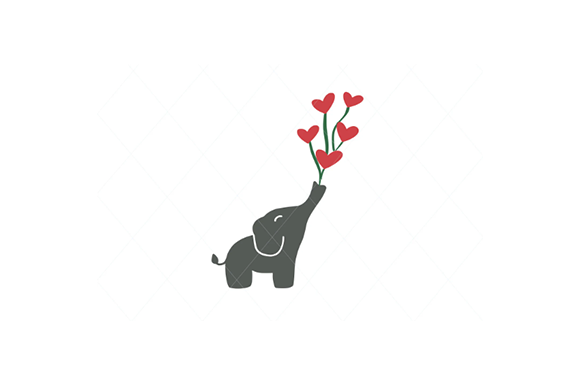
Charming Baby Elephant for Embroidery Projects
As an experienced embroidery designer, I was immediately drawn to the Baby Elephant design. This minimalist yet sweet illustration exudes a gentle and playful vibe, making it perfect for a wide range of embroidery projects.
A First Impression: Sweet and Versatile
The Baby Elephant has a simple, clean layout that captures the essence of a baby elephant with just enough detail to be recognizable and endearing. The design's visual personality is both charming and versatile, fitting well into various themes and styles. It's the kind of design that can add a touch of whimsy and cuteness to any project.
Ideal for Custom Apparel and Personalized Gifts
One of the first things that came to mind when I saw the Baby Elephant was how it would look on custom apparel. Imagine this design embroidered on a soft, pastel-colored sweatshirt or a cozy baby onesie. The simplicity of the design makes it ideal for these types of garments, where a subtle, yet impactful, decoration is needed. It would also make a wonderful personalized gift, whether for a baby shower, a child's birthday, or a special holiday.
Perfect for Tote Bags and Home Decor
The Baby Elephant would also be a great choice for tote bags, pillow covers, and kitchen towels. The design's versatility means it can be used in both large and small formats, making it suitable for a variety of home decor items. For example, a set of embroidered tea towels with the Baby Elephant could add a delightful touch to any kitchen, while a pillow cover with the design could bring a smile to any nursery or living room.
Practical Considerations for Real Embroidery Work
When using the Baby Elephant in real embroidery situations, there are a few practical considerations to keep in mind. First, always test the design on scrap fabric to ensure the stitch density and thread colors work well together. The design's clean lines and minimal details make it easy to adjust for different fabrics and textures, but it's still important to check the final result before committing to a larger project.
Stitch Density and Fabric Texture
The stitch density of the Baby Elephant appears to be well-balanced, which is crucial for maintaining the design's clarity and visual appeal. However, on textured or stretchy fabrics, you may need to use a stabilizer to prevent distortion. Additionally, the design's fine details, such as the elephant's trunk and ears, should be carefully inspected to ensure they stitch out clearly, especially on smaller hoop sizes.
Thread Colors and Backgrounds
Choosing the right thread colors is essential for bringing out the best in the Baby Elephant. A high-contrast color scheme, such as a light gray elephant on a dark background, can make the design pop. Conversely, a more subtle, tonal approach, like a pastel blue on a white background, can create a softer, more delicate look. Testing the design in black and white mockups can help you visualize how it will appear on different backgrounds.
Where to Use Baby Elephant Carefully
While the Baby Elephant is versatile, there are some areas where it should be used with caution. For instance, on very small hoop sizes, the design's details might become too dense, leading to a cluttered appearance. Similarly, on dark or heavily textured fabrics, the design's simplicity might get lost. It's also worth noting that the design might not be ideal for curved surfaces like caps, where the flat nature of the design could be challenging to adapt.
Enhancing Visual Appeal and Product Value
The Baby Elephant can significantly enhance the visual appeal and value of your handmade products. Whether you're creating a custom tote bag, a personalized baby item, or a boutique product, the design adds a touch of charm and professionalism. Customers are likely to appreciate the attention to detail and the thoughtful design, which can build trust and engagement with your brand.
Final Thoughts and Practical Tips
- Test on Scrap Fabric: Always start by testing the design on scrap fabric to ensure the stitch density and thread colors are optimal.
- Check Thread Color Contrast: High-contrast thread colors can make the design stand out, while tonal colors can create a softer, more delicate look.
- Inspect Small Details: Pay close attention to the design's fine details, such as the elephant's trunk and ears, to ensure they stitch out clearly.
- Use Proper Stabilizer: On textured or stretchy fabrics, use a stabilizer to prevent distortion and maintain the design's clarity.
- Confirm Licensing: Before selling finished items or digital products, make sure to check the licensing terms to ensure you are compliant.
In conclusion, the Baby Elephant is a charming and versatile design that can add a delightful touch to a wide range of embroidery projects. With careful consideration and testing, it can become a valuable asset in your embroidery toolkit, enhancing the visual appeal and value of your handmade and commercial products.