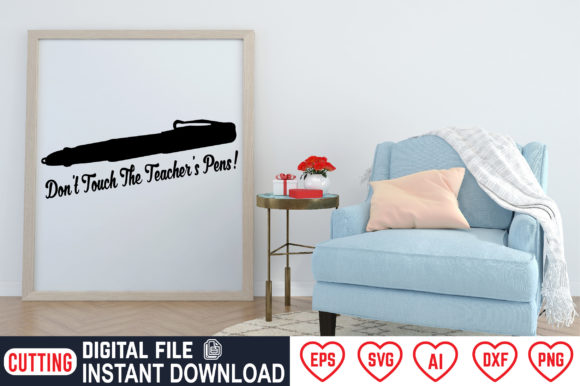
Don't Touch the Teacher's Pens: A Practical Review
As an experienced designer and embroidery product reviewer, I recently had the chance to evaluate Don't Touch the Teacher's Pens for a real project. This design is part of a graphics category, and it's an instant download cutting file compatible with many different cutting software machines like Cricut and Silhouette.
First Impressions: Quirky and Fun
The first thing that struck me about Don't Touch the Teacher's Pens is its playful and quirky nature. The design has a casual, hand-drawn feel that immediately brings a smile. It's not overly complex, which makes it perfect for a variety of embroidery projects. The layout is well-balanced, with the text and any accompanying graphics (if included) fitting together seamlessly.
Ideal for Custom Apparel and Accessories
One of the most natural uses for this design is in custom apparel. Imagine stitching Don't Touch the Teacher's Pens on a tote bag or a sweatshirt. The simplicity of the design means it will stand out without overwhelming the garment. For a more personalized touch, you could add a name or initials beneath the main text, making it a thoughtful gift for a teacher or a fun addition to your own wardrobe.
Embroidery on Tote Bags and Sweatshirts
For a tote bag, the design would look great centered on one side, perhaps with a fill stitch for the text to give it a bold, clean look. On a sweatshirt, you might consider using a satin stitch for a smooth, professional finish. The key here is to ensure the stitch density is appropriate for the fabric; too dense can make the shirt stiff, while too light can look sloppy.
Perfect for Baby and Kids' Items
Another area where Don't Touch the Teacher's Pens shines is in baby and kids' items. Embroidering this design on a baby onesie or a child's t-shirt can add a whimsical touch. The design's simplicity makes it easy to scale down for smaller garments, and the playful message is sure to be a hit with parents and children alike.
Considerations for Small Projects
When working with baby clothes, it's important to use a fine, gentle stabilizer to prevent the fabric from puckering. Test the design on a scrap piece of similar fabric first to ensure the stitch quality and density are just right. Also, consider the thread colors; a high-contrast color scheme will make the design pop, but pastel or muted tones can create a softer, more subtle effect.
Where to Use Carefully
While Don't Touch the Teacher's Pens is versatile, there are some areas where you should use it with caution. For example, on small hoop sizes, the design might need to be resized to fit properly. Textured fabrics, thin materials, and stretchy fabrics can also pose challenges, as they may cause the design to distort or pucker. Dark fabrics can make the design less visible, so choose thread colors that provide good contrast.
Challenges with Curved Surfaces and Detailed Corners
Curved surfaces, such as caps and hats, require extra care. The design's corners and edges need to be carefully aligned to avoid distortion. If the design includes small details or tiny lettering, these can be tricky to embroider cleanly on curved surfaces. Always test the design on a similar surface before committing to the final project.
Visual Appeal and Customer Trust
The visual appeal of Don't Touch the Teacher's Pens is undeniable. Its playful and straightforward message is sure to catch the eye and spark a conversation. When used in handmade products, this design can significantly enhance the overall presentation and value. Customers will appreciate the attention to detail and the personal touch, which can build trust and loyalty.
Brand Consistency and Giftability
For craft businesses and Etsy sellers, Don't Touch the Teacher's Pens can be a valuable asset. The design's versatility makes it easy to incorporate into a wide range of products, from embroidered patches to holiday gifts. By using this design consistently across your product line, you can create a recognizable and cohesive brand. Additionally, the design's charm makes it a great choice for personalized gifts, adding a special touch that recipients will cherish.
Practical Embroidery Designer Notes
Before using Don't Touch the Teacher's Pens in a real project, here are some practical tips:
- Test on Scrap Fabric: Always start by testing the design on a scrap piece of the same fabric you plan to use. This helps you check the stitch quality and make any necessary adjustments.
- Check Thread Color Contrast: Ensure the thread colors provide good contrast with the fabric. High-contrast colors will make the design stand out, while similar colors can create a more subtle, integrated look.
- Review Stitch Density: Adjust the stitch density based on the fabric type. Dense stitches work well on sturdy fabrics, while lighter stitches are better for delicate materials.
- Confirm Hoop Size: Make sure the design fits within your hoop size. Resizing the design may be necessary for smaller hoops.
- Inspect Small Details: Pay close attention to any small details or tiny lettering. These can be challenging to embroider cleanly, especially on textured or stretchy fabrics.
- Test in Black and White Mockups: Create black and white mockups to see how the design looks without color. This can help you identify any issues with the design's clarity and balance.
- Compare Light and Dark Fabric Backgrounds: Test the design on both light and dark fabric backgrounds to ensure it is visible and legible in all settings.
- Use Proper Stabilizer: Choose the right stabilizer for your fabric. A good stabilizer will prevent puckering and ensure a clean, professional finish.
- Check Licensing Before Selling: If you plan to sell finished items or digital products, make sure to check the licensing terms. This ensures you are using the design legally and ethically.
In conclusion, Don't Touch the Teacher's Pens is a delightful and versatile design that can add a playful touch to a wide range of embroidery projects. Whether you're creating custom apparel, baby items, or boutique merchandise, this design is sure to make an impact. Just remember to test and adjust as needed to ensure the best possible results. Happy stitching!